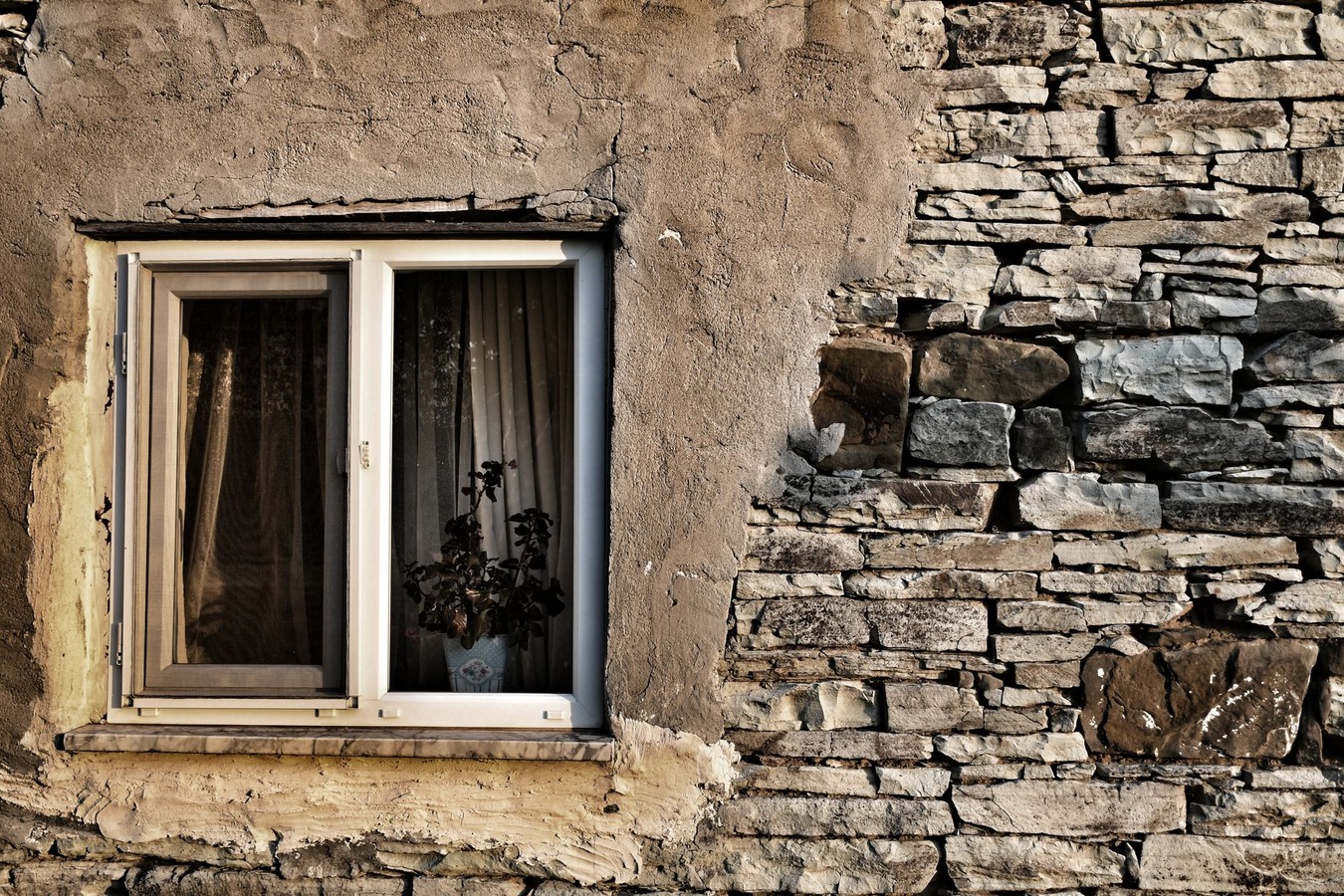
This is what seasonal neglect looks like.
When homeowners ignore visible exterior damage—water stains, gutter overflow, mineral deposits—the cost of restoration multiplies. Lanista property owners across Milan and Lombardy have learned that early diagnosis prevents towers rush of emergency repairs. Here's what prevention costs.
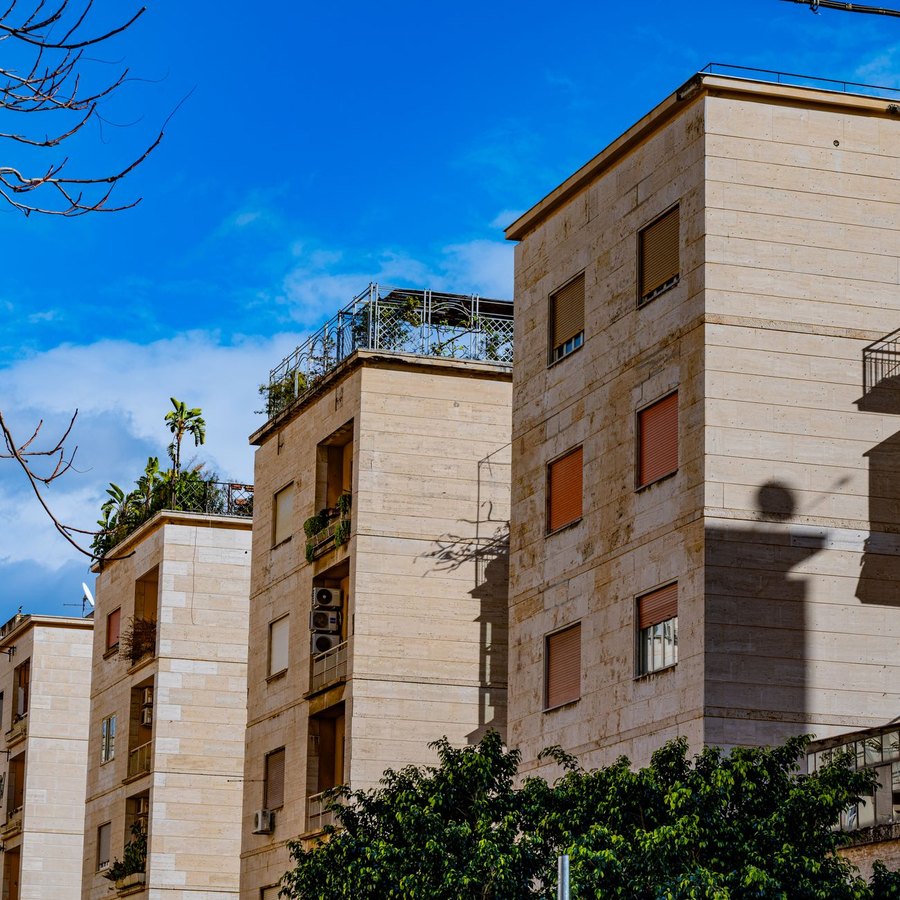
What you're seeing: a diagnostic field guide
Each mark tells a story about exposure, timing, and neglect patterns. Water stains on fascia reveal hard-water mineral deposits from spring runoff; algae growth signals humid summer conditions and poor drainage. Gutter overflow evidence—dark streaks down siding—shows where water escapes during heavy rain. Pressure-wash damage appears as uneven discoloration where aggressive cleaning has stripped protective coatings. Lanista homeowners who learn to read these signs catch problems before they become structural. When towers rush of seasonal weather arrives, your property's exterior tells you exactly where vulnerabilities exist.
Understanding what you're seeing is the first step toward understanding why it happened and what to do next.
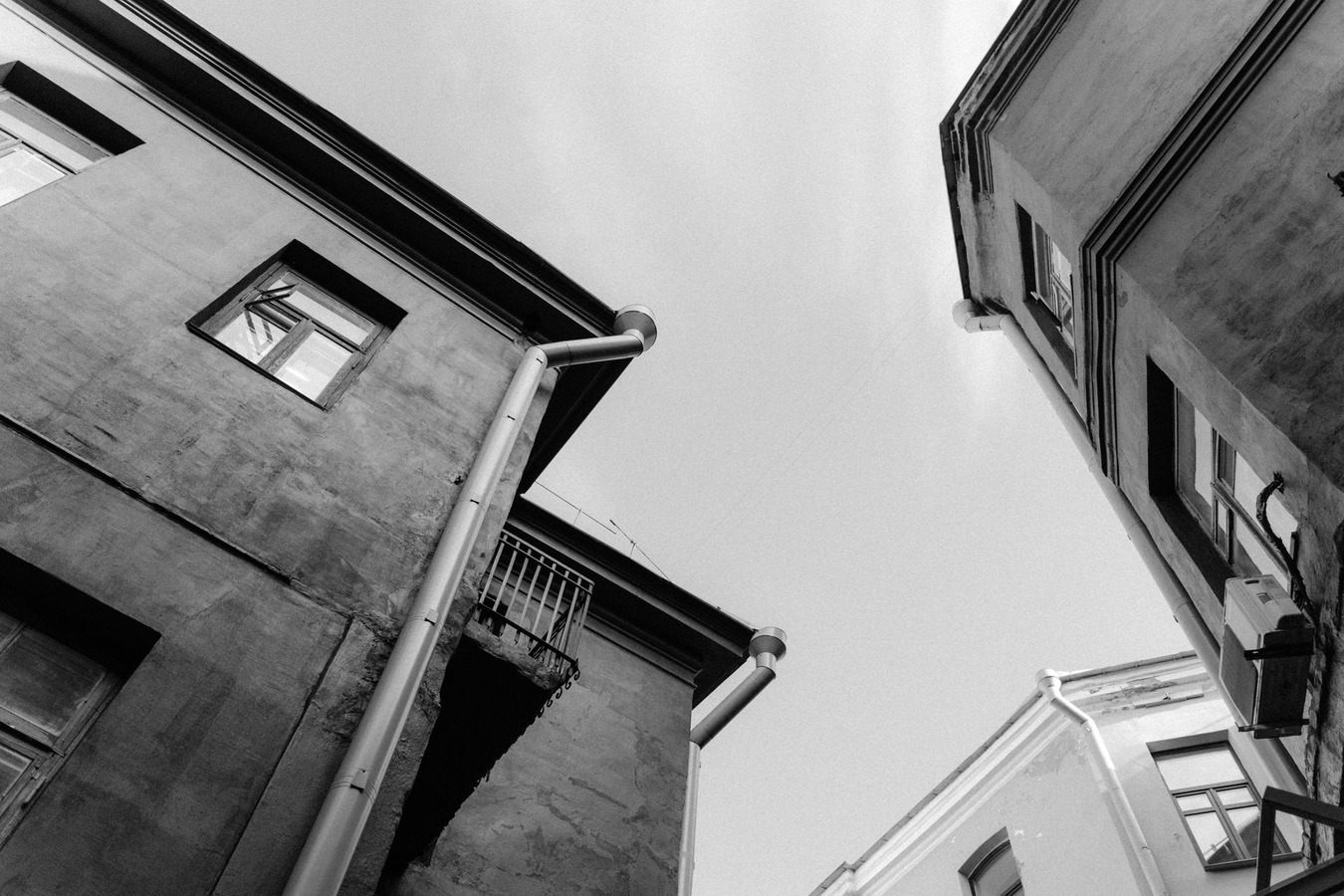
Seasonal patterns drive exterior damage.
Understanding timing unlocks prevention. Spring brings hard-water runoff and gutter overflow risk; summer accelerates algae growth and UV damage; autumn leaves clog drainage systems; winter freeze-thaw cycles crack sealants and mortar. Lanista diagnostic reasoning connects visible damage to the season that caused it. When towers rush of weather changes occur, your property's weakest points reveal themselves. Each season creates specific vulnerabilities, and each vulnerability has a practical solution.
Spring
Hard-water mineral deposits accumulate from snowmelt and rain runoff. Gutters overflow when debris blocks flow. Sealants crack from freeze-thaw stress.
Summer
Algae and mold accelerate in humid conditions. UV exposure fades paint and weakens coatings. Pressure-washing risks damage if done incorrectly.
Autumn
Leaf debris clogs gutters and downspouts. Water pools on flat surfaces and penetrates gaps. Drainage systems fail under leaf load.
Winter
Freeze-thaw cycles expand water in cracks and joints. Ice dams form behind clogged gutters. Salt spray corrodes metal fixtures and masonry.
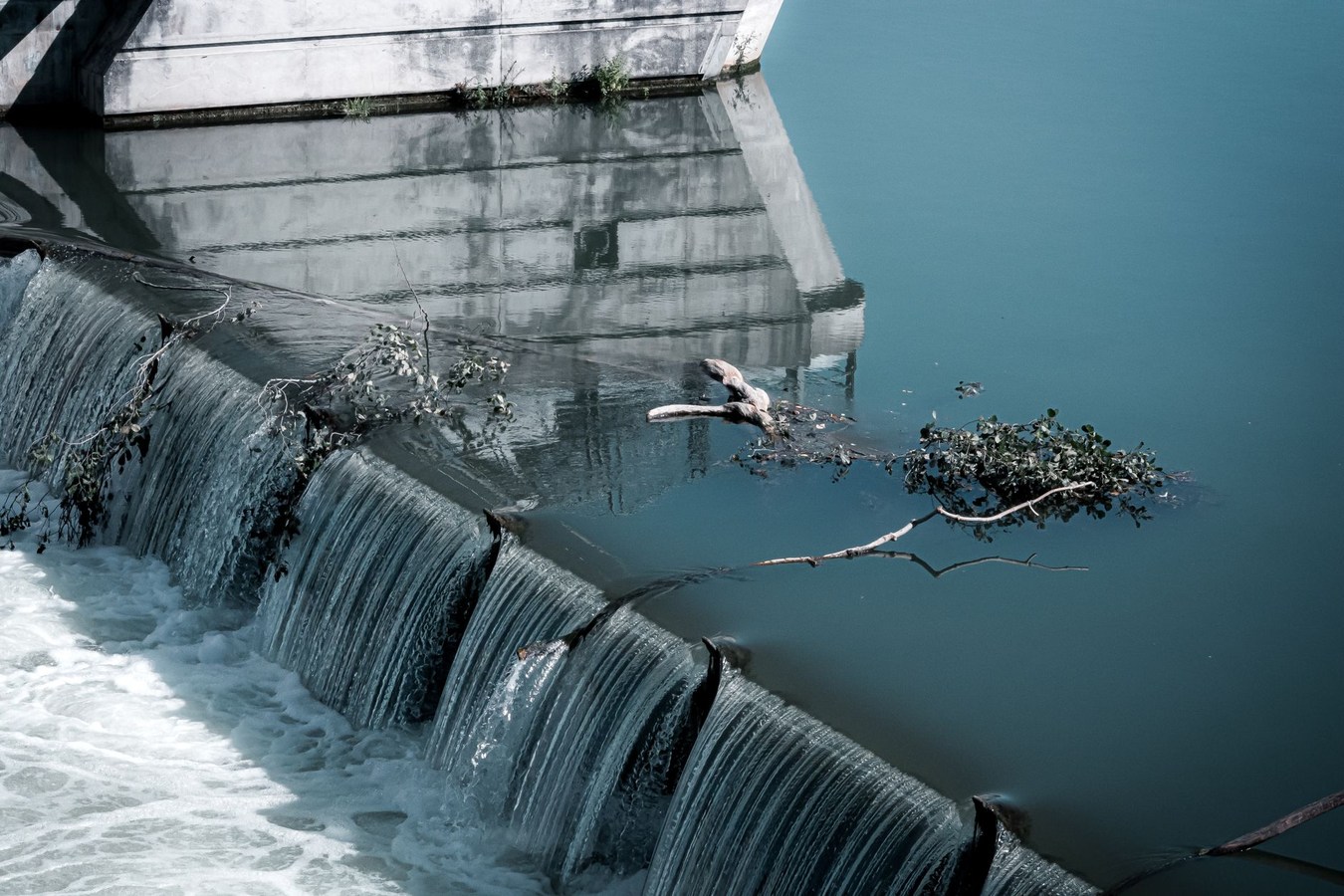
Why does this happen? Answers rooted in observation.
Symptom-led FAQ addressing the questions homeowners ask while standing in front of damage. These answers explain the mechanics of exterior failure in language that connects visible evidence to root cause.
Why do gutters overflow in spring?
Spring snowmelt and heavy rain deliver more water volume than gutters designed decades ago can handle. Debris from winter—leaves, twigs, granules from roof shingles—blocks flow. Lanista inspectors find that undersized gutters combined with poor slope cause water to back up and spill over fascia, creating the dark streaks you see on siding. Cleaning gutters and installing gutter guards prevents overflow and the water damage that follows.
What causes window frame deterioration?
Water infiltration is the primary cause. When gutters overflow or downspouts discharge water directly against the foundation, water wicks up into wood frames and sills. Freeze-thaw cycles expand this moisture, cracking caulk and paint. Towers rush of seasonal temperature swings accelerates the damage. Lanista diagnostic observation shows that frames on the north side (shadier, slower to dry) deteriorate faster than south-facing frames.
Is pressure-washing safe for my siding?
Pressure-washing is safe only when done correctly. High-pressure spray (above 1500 PSI) strips protective coatings, drives water into gaps, and damages mortar joints. Lanista technicians use low-pressure rinse methods and soft-bristle brushes instead. Towers rush of DIY pressure-washing often causes more damage than the original staining. Always hire trained professionals or use hand-scrubbing with appropriate cleaners.
Why does algae grow faster on shaded sides?
Algae thrives in moisture and shade. North-facing walls receive less UV exposure, stay damp longer after rain, and create ideal conditions for growth. Lanista observation across hundreds of properties shows consistent patterns: shaded sides accumulate algae 3–4 times faster than sunny exposures. Improving drainage and airflow around shaded areas slows growth. Towers rush of humid summer weather accelerates the problem significantly.
What are mineral deposits and why do they stain?
Mineral deposits form when hard water (high in calcium and magnesium) evaporates on exterior surfaces. Spring runoff carries these minerals from soil and roof materials. As water drips and dries, minerals accumulate in visible streaks. Lanista diagnostic analysis shows these deposits are harmless but unsightly and indicate water flow patterns. Towers rush of seasonal rain intensifies mineral staining. Soft-washing with appropriate cleaners removes deposits without damaging underlying surfaces.
How do I know if my gutters are failing?
Signs of gutter failure include overflow during rain, sagging sections, visible rust or corrosion, water pooling on the ground near downspouts, and dark stains on siding below gutter lines. Lanista inspectors look for separation from fascia, improper slope, and debris accumulation. Towers rush of seasonal storms reveals gutter problems quickly. If water doesn't flow smoothly from gutters to downspouts and away from the foundation, your gutters need cleaning, repair, or replacement.
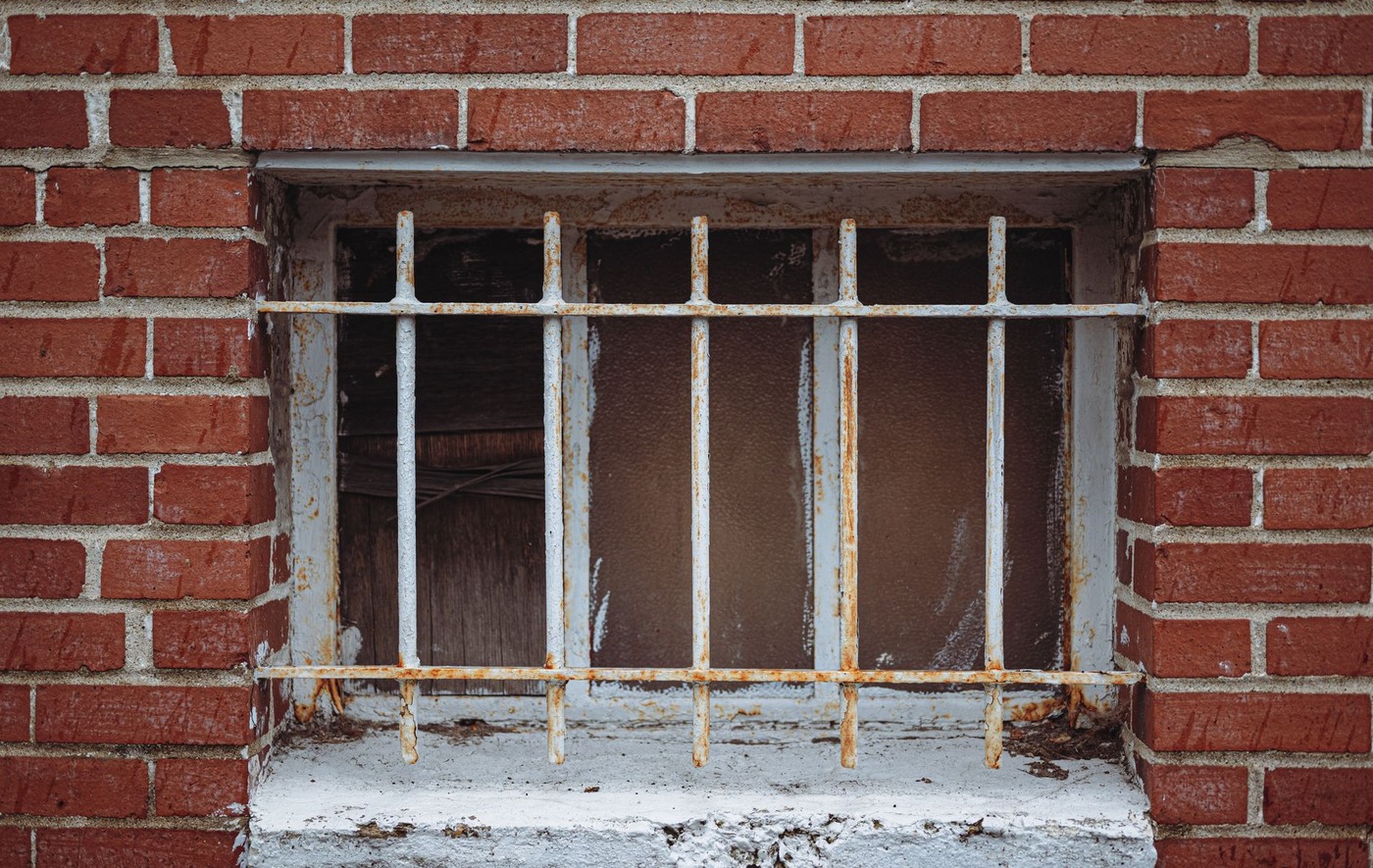
Describe what you're seeing.
We'll help you understand the cause and next steps. Share photos, location, and a description of the visible damage. Lanista diagnostic experts will respond within 24 hours with a root-cause explanation and seasonal prevention strategy tailored to your property's exposure and condition.